From Aphantasia to Hyperphantasia
and everything in between
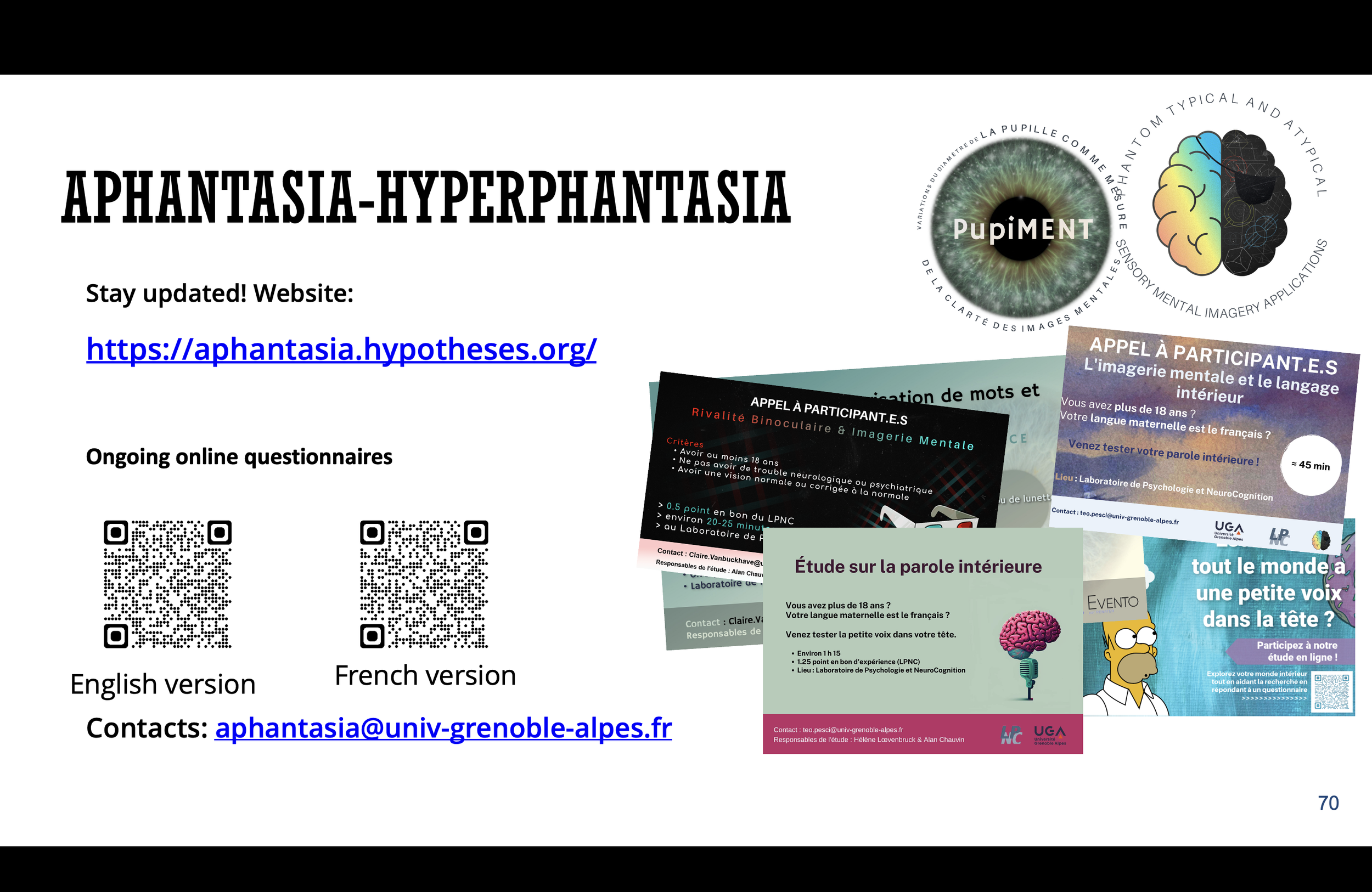
Here are the studies we are conducting at AARG at the moment if you are interested in participating.
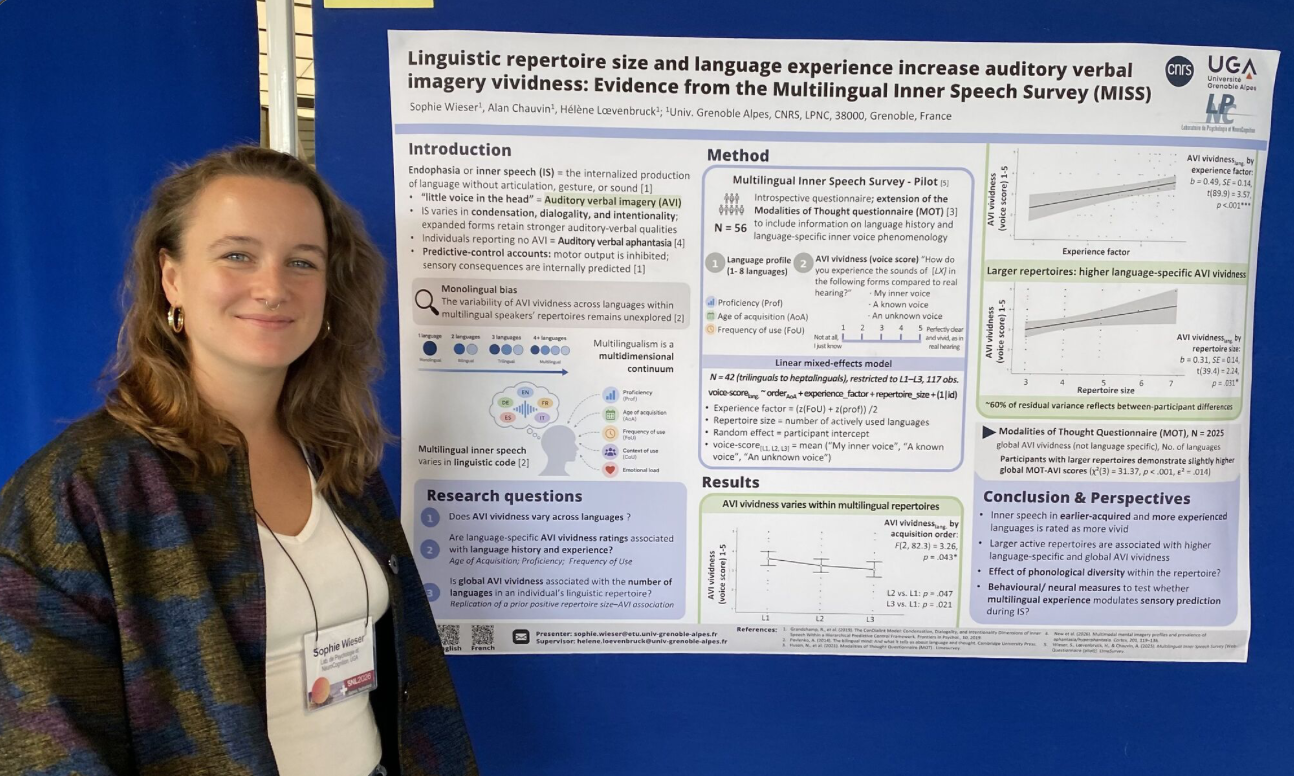
Sophie Weiser is currently running the Multilingual Inner Speech Survey (MISS) and she already has something to say: multilingual individuals may experience a more vivid inner voice. Here is the link to the survey (French or English)
Iris Barezzi always has something on the go (especially if you are in Grenoble). This may only be for French speakers at the moment… but things change. So please send her an email if you are interested in participating on research exploring Spatial Imagery.
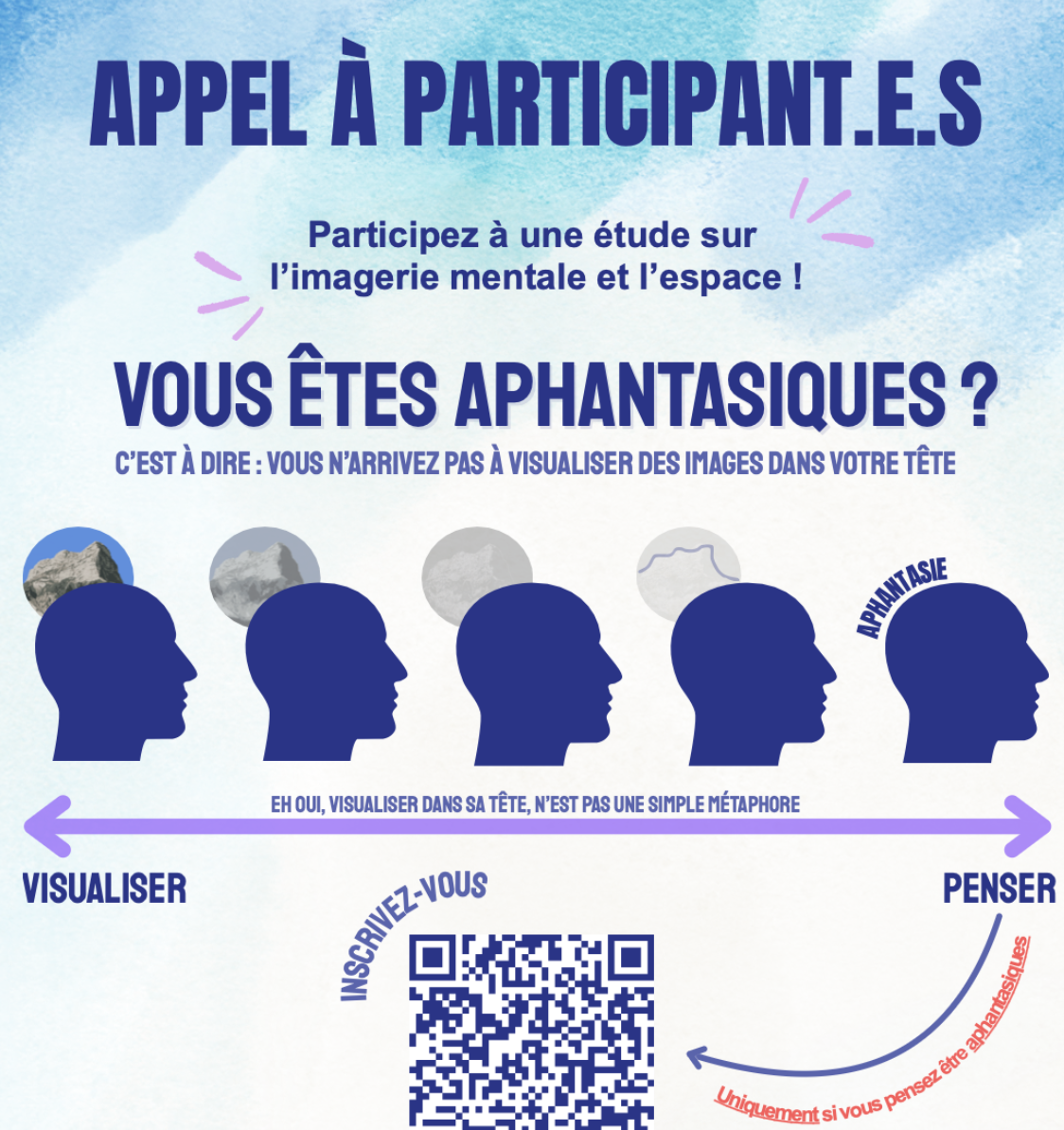
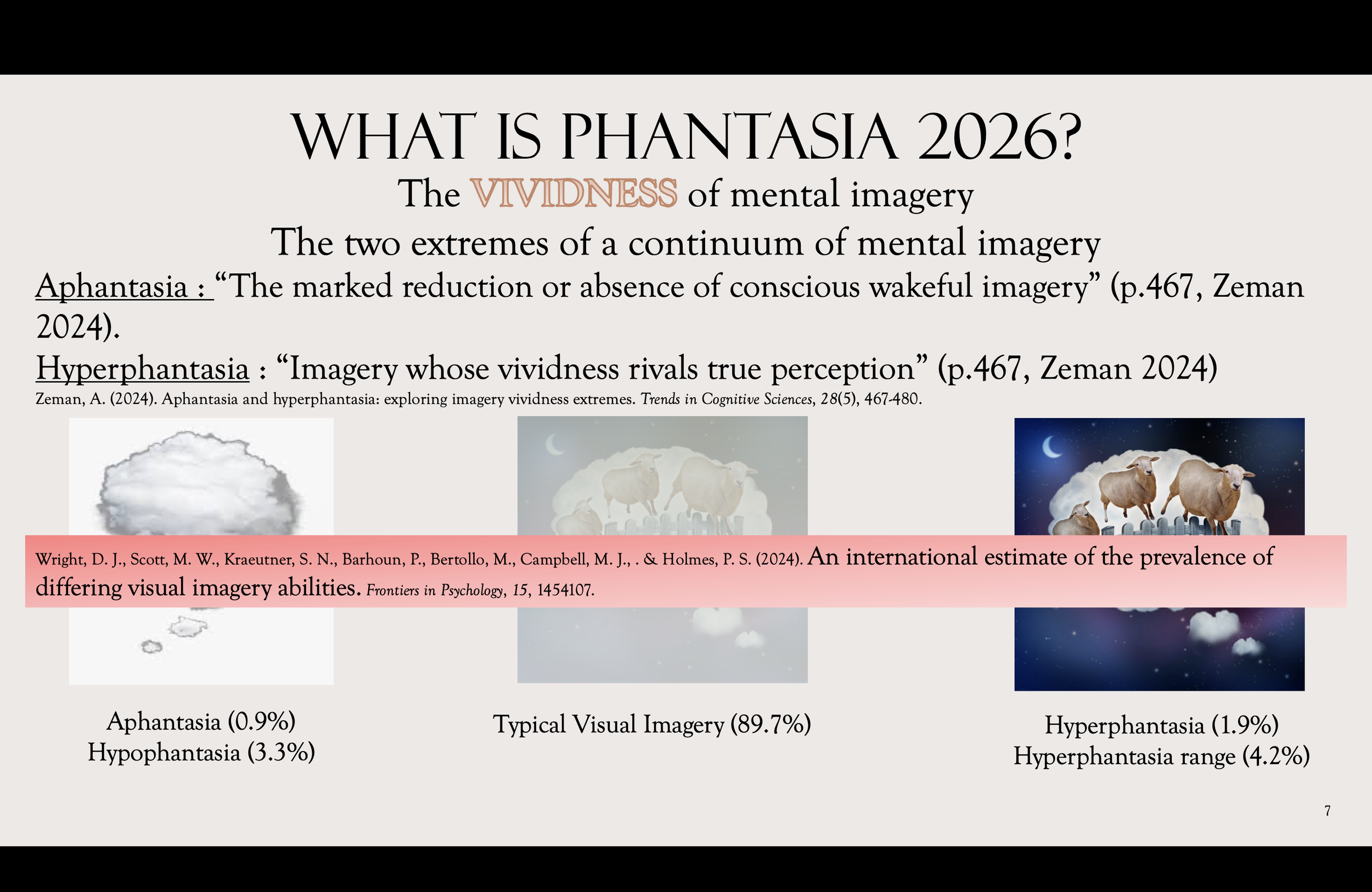
Aphantasia
Hyperphantasia
While completing the Masters of Psychology at Université Grenobles Alpes my research focussed on mental imagery. The understanding that our inner worlds are almost as individuals as a finger print expanded my world and shaped my clinical understanding. I’m not going to cover 5 years of research, but here are the essentials (from my perspective).
Originally the term aphantasia was specific to visual voluntary imagery. That is, what we see in our mind’s eye when we try to imagine a visual prompt. This can be considered on a continuum, from ‘I know I’m thinking about it but there is no visual image’ to ‘a visual image as vivid as real life’. As well, some people can (intentionally or not) project their imagery into the environment, while for others the experience is within the inner ‘mental space’.
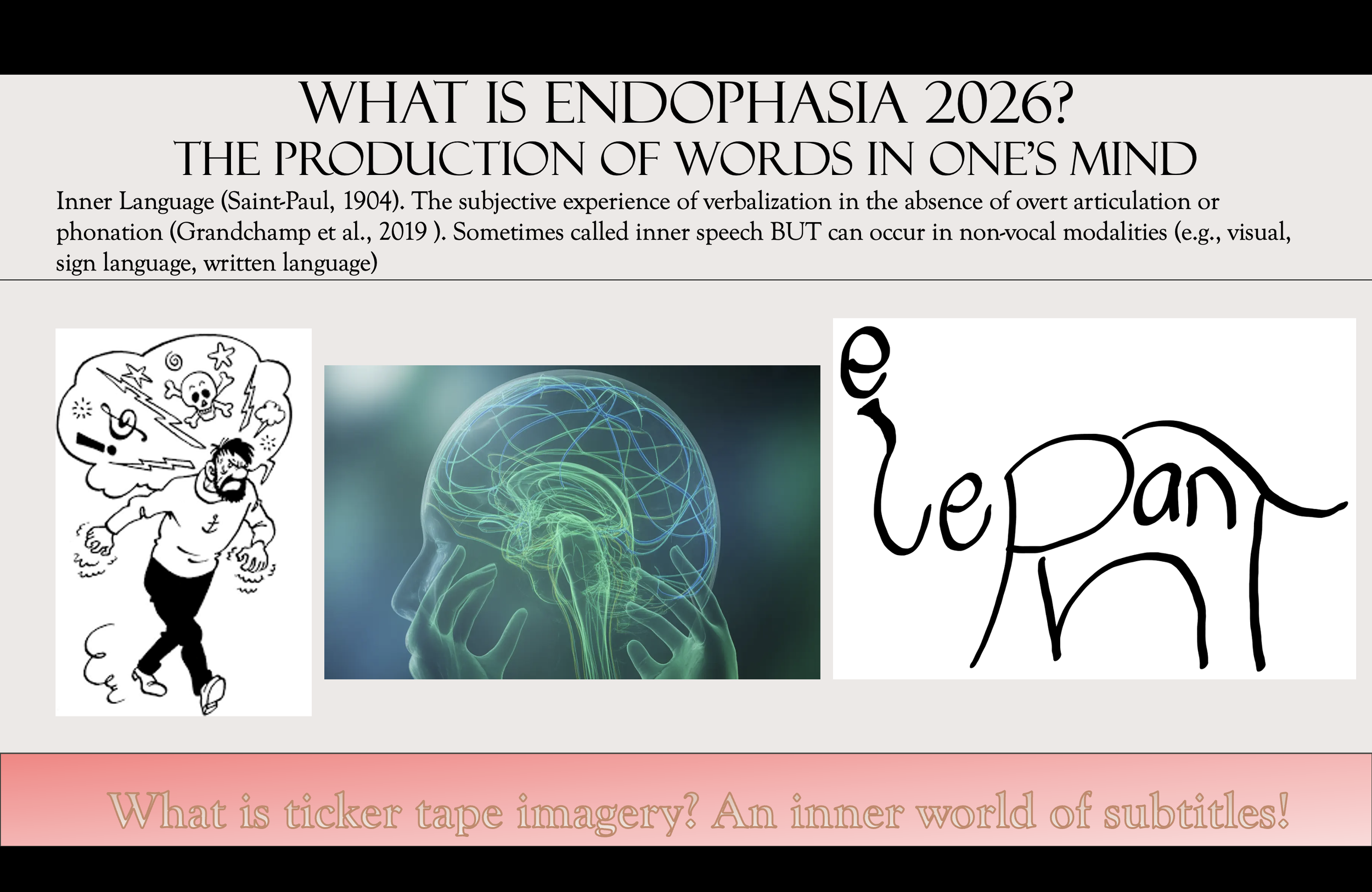
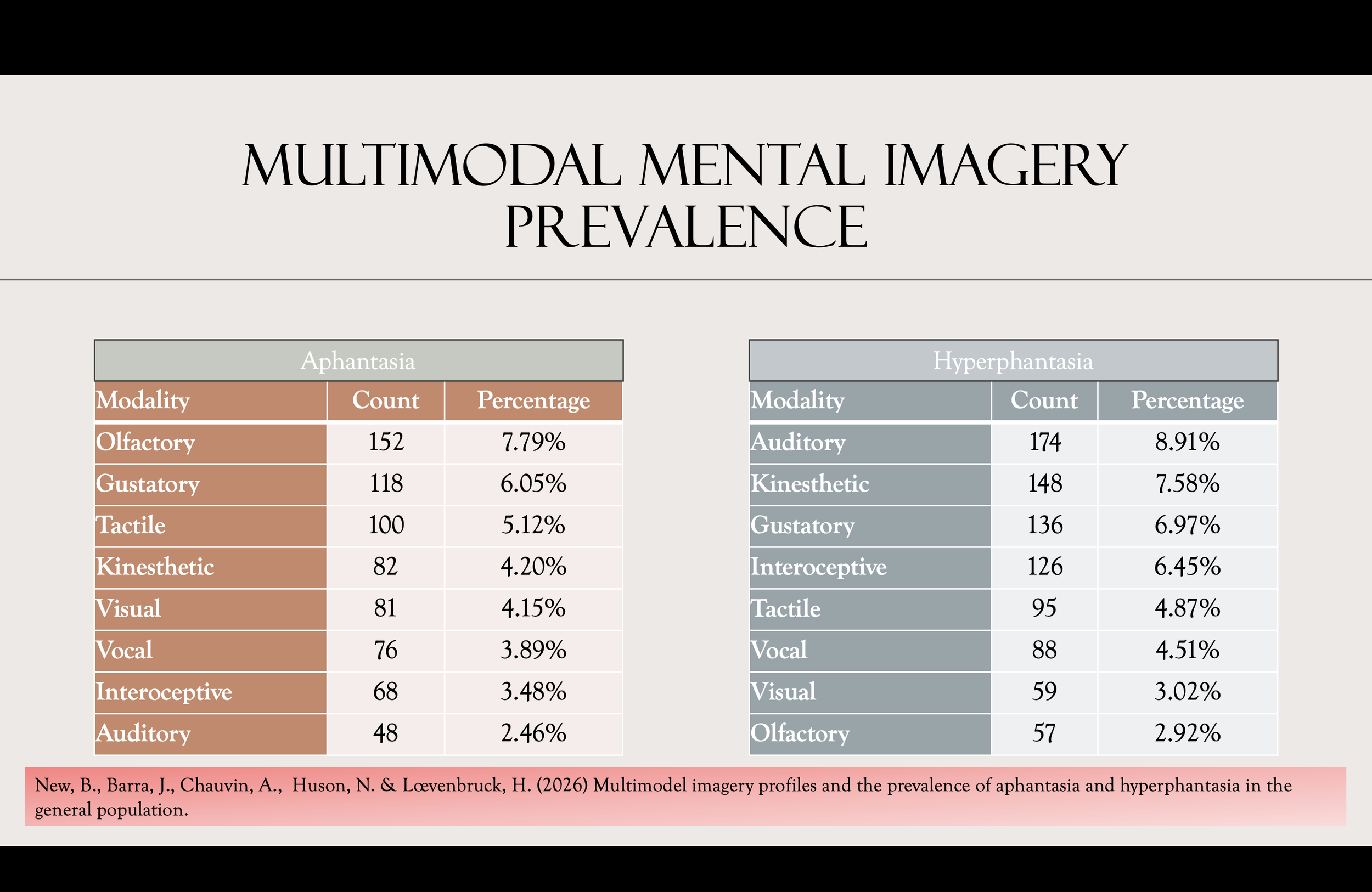
The term has grown to cover other forms of imagery (other senses). At the Aphantasia Alps Research Group (AARG) our focus has broadened and includes sound and voice; multilingual learning; spatial; and emotional imagery.
That imagery can also be spontaneous (unintentionally come to mind), can vary in vividness and may not always be present.
This understanding has impacted the way I speak to clients about their inner experience. For example, waking from a nightmare does the sensory experience follow you in to wakefulness? During a flashback how true to life is the emotional or visual experience? When thinking about critical conversations, do you hear your voice? Do you hear someone else’s voice? Is that in your mind or outside of you?
I think it is important to know the baseline for each modality. For a person with aphantasia to suddenly experience spontaneous grief related imagery can be terrifying and they may doubt their own mental health. For a person that has emotional hyperphantasia the standard (& effective) process of exposure therapy may be genuinely more extreme and may require different approaches. For a person with extremely vivid voice imagery that is projected into the environment they may have to reality check more frequently.
There is no diagnostic test, because aphantasia and hyperphantasia are not mental disorders. They are extremes of a continuum, a cognitive trait. But It is interesting to think about our imagery and those we are closest to. That tendency to assume our own inner process is true for all needs to be challenged. We can all benefit from learning about others. We are currently developing a new measure of mental imagery (slowly moving through the validation stages), but for the moment the original study is still online. You won’t get a lovely graph or numbers at the end, but you will learn about your own imagery through the questions.
Here is the link to the UGA aphantasia on line study
Here are some links to our work
Our most recent publication: Huson, N., Vanbuckhave, C., Pesci, T., Chauvin, A., & Lœvenbruck, H. (2026). Investigating auditory verbal aphantasia with a listening test. L’Année psychologique, 126(2), 159-202. We don’t have a share version yet, but as soon as I do it will be here!
Free access to our work:
and to other papers that are focussed on aphantasia or hyperphantasia
Important because it explores mental imagery without pathologizing this cognitive trait: Maël Delem, Sema Turkben, Eddy Cavalli, Denis Cousineau, Gaën Plancher. Unsupervised clustering re-veals spatial and verbal cognitive profiles in aphantasia and typical imagery. Neuropsychologia, 2025,⟨10.1016/j.neuropsychologia.2025.109279⟩. ⟨hal-05110315⟩
This article only popped up on my radar recently. There is a tendency in contemporary research on aphantasia to seek out links to other psychological variables. That is important at this exploratory stage. But too often correlations are found and assumed to be ‘truth’. Until research begins to explore mental imagery vividness in clinical populations these findings need to be looked at with a critical eye. That is exactly what the team at Lyon II have done: Delem, M., Mas, M., Luminet, O., Plancher, G., & Ruby, P. (2026). Complete Aphantasics Process Emotions Differently, But No Less Efficiently: Evidence of a Non-linear Relationship Between Visual Imagery and Alexithymia.
One of my favourites, explores our inner experience taking into account a range of cognitive traits: Reshanne R Reeder, Giovanni Sala, Tessa M van Leeuwen, A novel model of divergent predictive perception, Neuroscience of Consciousness, Volume 2024, Issue 1, 2024, niae006, https://doi.org/10.1093/nc/niae006 It is heavy going because it is highly theoretical. For something more ‘bite-sized (but not focussed on phantasia) Reeder, R. R. (2024). Current and future directions for research on hallucinations and delusions. Scientific Reports, 14(1), 8328.
Humanitarian Connection
MDM
Perhaps this was a natural evolution for me: Working with excluded teens and indigenous youth in Australia, migrating to France, completing a Masters in Transcultural Mental Health at Queen Mary University of London. The first thing I did once I was licensed to practice in France was volunteer with Médecins du Monde in Lyon. I will not pretend that this work wasn’t confronting. My first day working with clients, I came home after a 4 hour shift (that took 8 hours) and was stuck in the elevator… I couldn’t remember my access code! But I adapted and it might sound strange but I loved my time with MDM. A supportive team and excellent training but most importantly amazing clients, people that had survived traumatic experiences, in their home country, on the route to France and then sadly on arrival here. I strongly recommended becoming involved with MDM if you are in France, it' isn’t just Doctors, nurses and psychologists, they need people at every level. People need to be welcomed, to learn to negotiate the bureacracy, to translate, for outreach. On a national level there is IT, logistics and the list goes on. I was also fortunate to meet others working with complex trauma, including with Vinatier, L’espace, Centre Régional du Psychotraumatism.
MSF
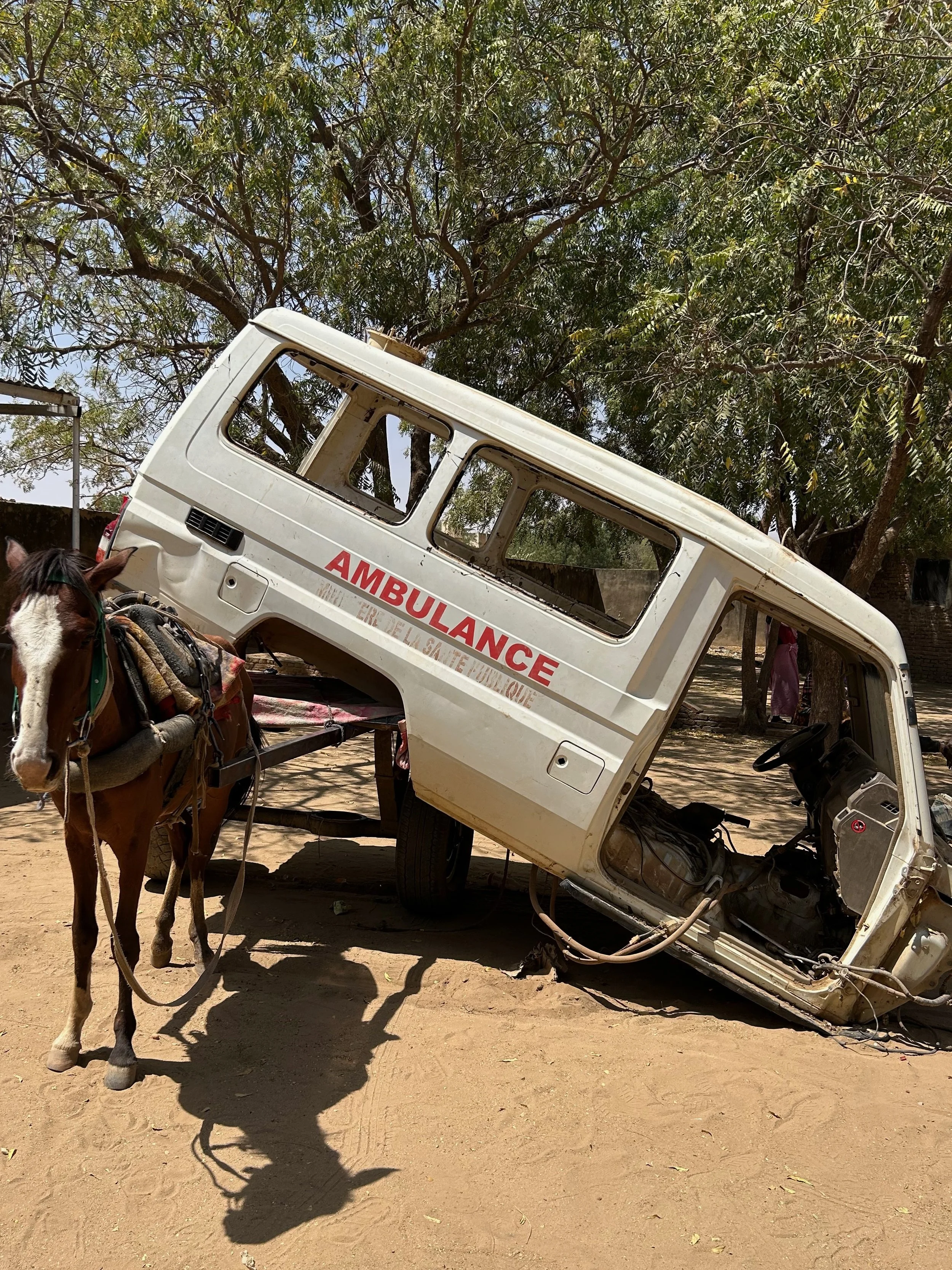
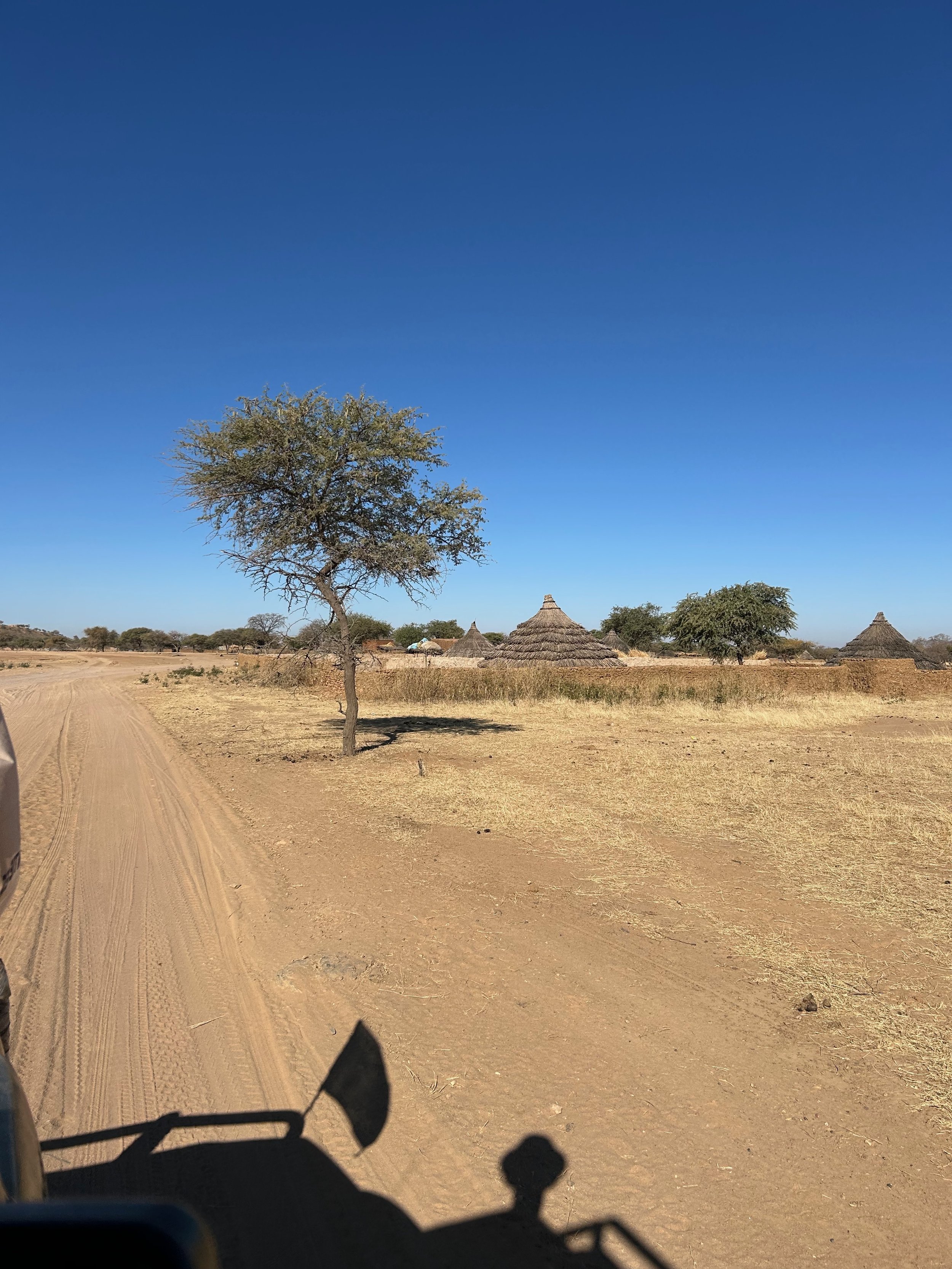
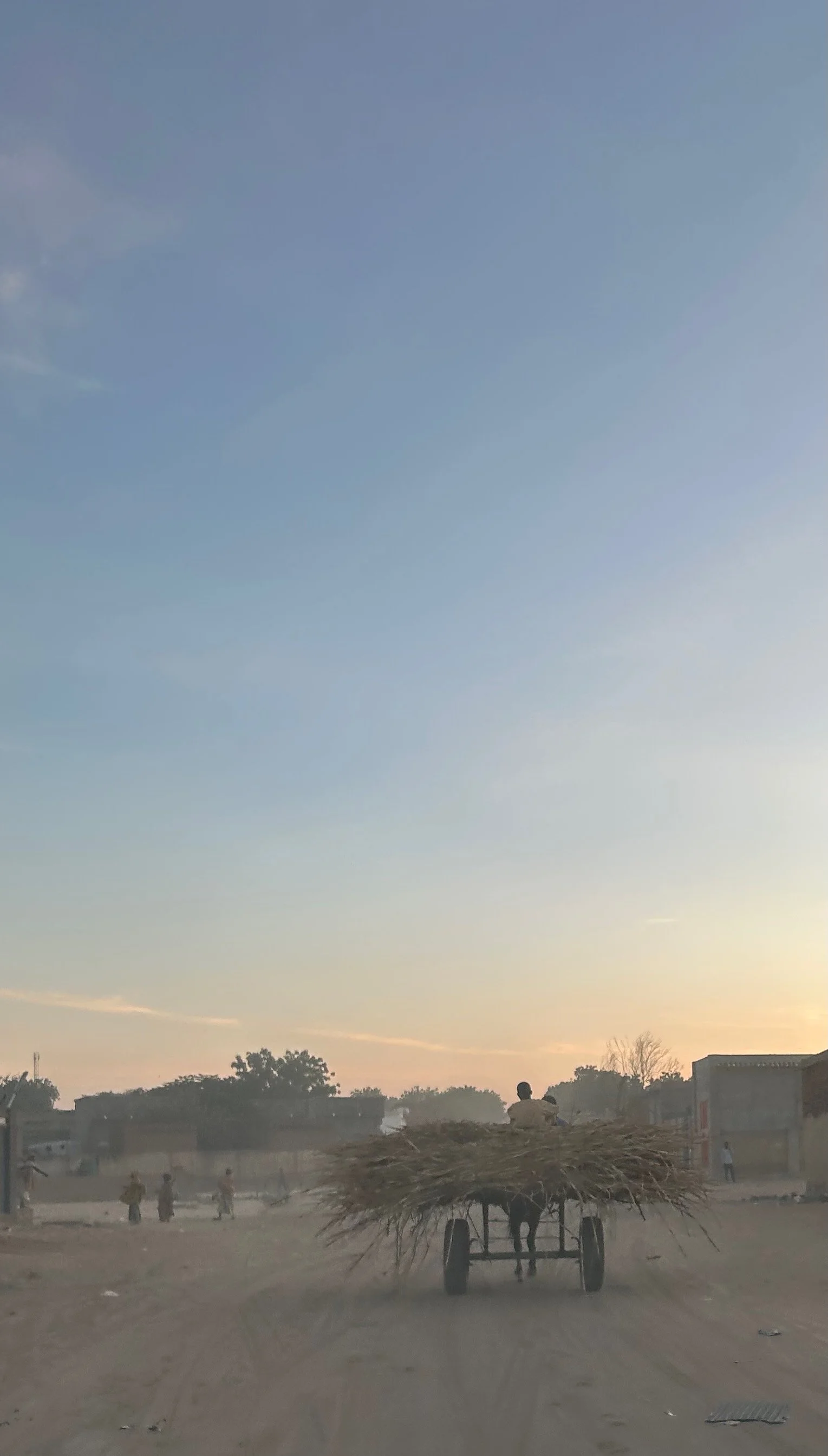
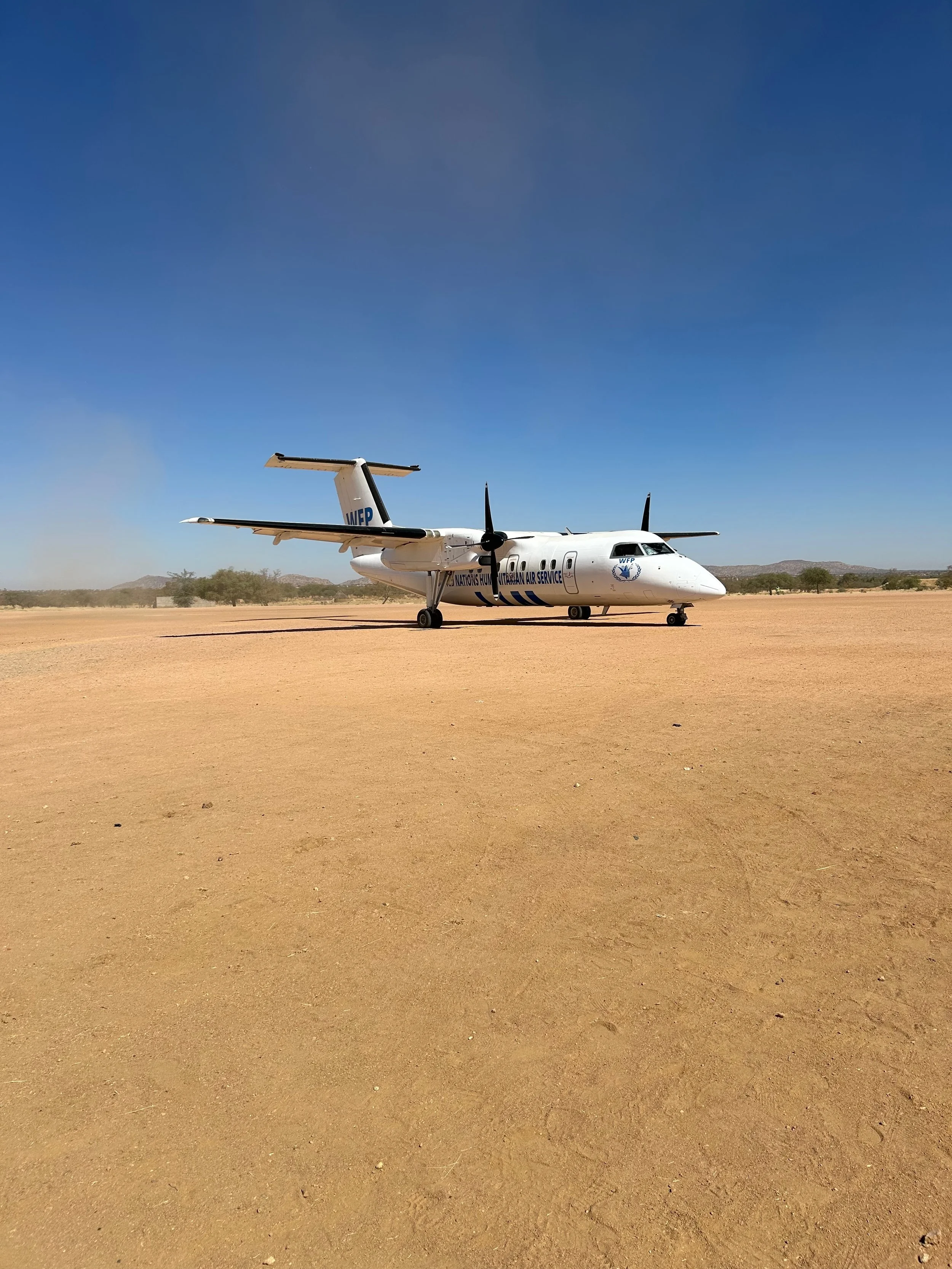
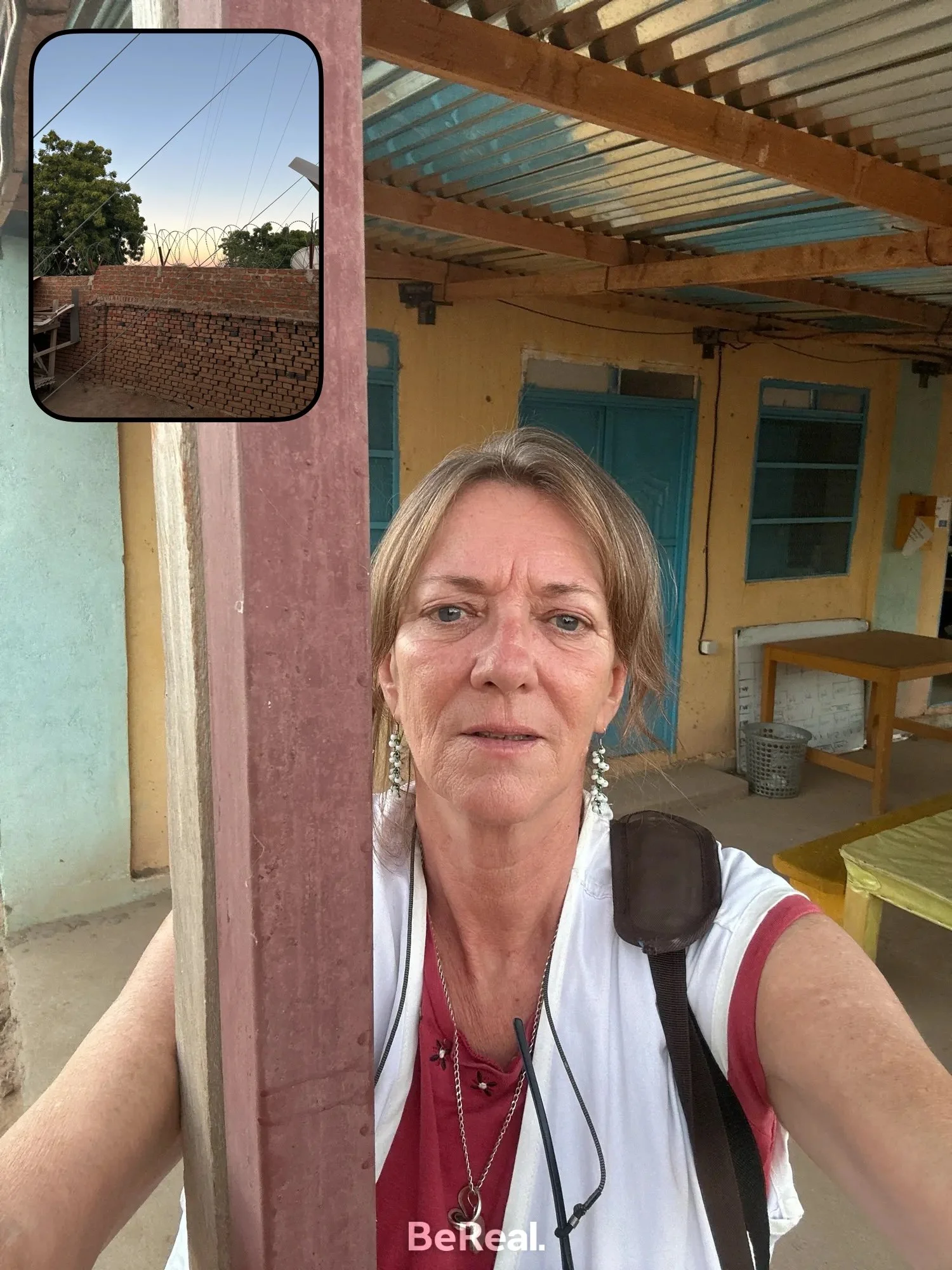
I was also fortunate enough to have worked with Médecins Sans Frontieres in Chad. Again it may sound strange to say ‘fortunate’. It is a privilege to take time out from career and family and to follow through on something you hold dear. But as well, the community in Adré, the national MSF staff and my team in particular were amazing. I learnt so much culturally, medically and professionally! I’m also proud of the work at the 2 MSF hospitals in Adré. Especially the establishment of a protocol for anxiety management both for parents & children as well as pre and post-natal groups. But perhaps the biggest success was helping bring Clowns Sans Frontieres to Adré. This was an initiative of MSF Geneva… but I profited. To watch the whole community come together and laugh, that’s special. As a bonus, the next day every child passed the appetite test (the final step for discharge).